From Superior to the Atlantic.
Water flows from Superior into Huron, through the St. Clair and Detroit rivers to Erie, then down the Niagara River to Ontario and out through the St. Lawrence.
Each of the five Great Lakes has its own character. Start anywhere; the shoreline always has more to show you.
 01
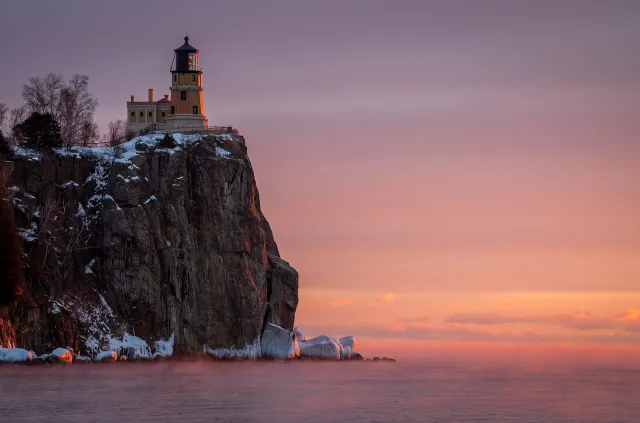
Lake Superior
Big water, rocky shorelines and the wild heart of the Great Lakes.
MI · MN · ON · WI
Split Rock Light Station.jpg by MichaelDPhotos · CC BY-SA 4.0. Resized and converted to WebP; display crops vary.
 02
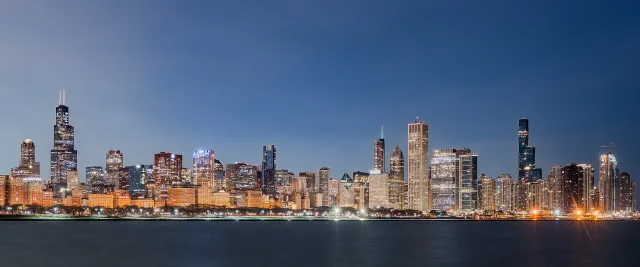
Lake Michigan
Freshwater beaches, dune country and vibrant lakeside cities.
IL · IN · MI · WI
Chicago Skyline Sunrise March 15 2026 - 02.jpg by NorbertNagel · CC BY-SA 4.0. Resized and converted to WebP; display crops vary.
 03
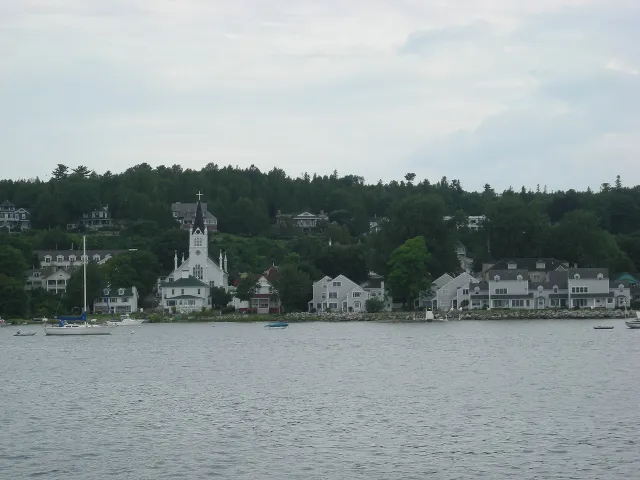
Lake Huron
Island passages, clear water and storied Georgian Bay.
MI · ON
Mackinac Island July 2010 02 (downtown from harbor).JPG by Michael Barera · CC BY-SA 4.0. Resized and converted to WebP; display crops vary.
 04
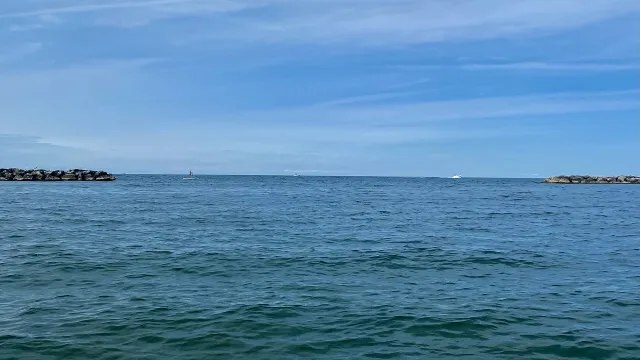
Lake Erie
Island escapes, waterfront cities and a lively southern shore.
MI · NY · OH · ON · PA
Presque Isle State Park, Millcreek Twp, Erie County, Pennsylvania - 20210904 - 08 - Lake Erie seen from Leslie Beach.jpg by Andre Carrotflower · CC BY-SA 4.0. Resized and converted to WebP; display crops vary.
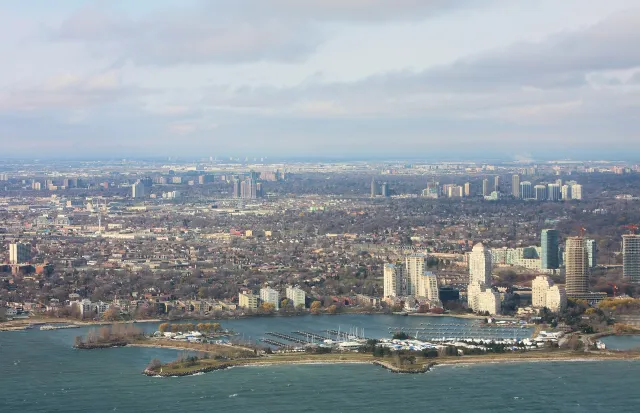 05
Lake Ontario
Harbor towns, big-city shorelines and the gateway to the St. Lawrence.
NY · ON
Toronto West Humber Bay Mimico Stonegate, Lake Ontario Waterfront.jpg by ImagePerson · CC BY 4.0. Resized and converted to WebP; display crops vary.
A sense of scale
Superior is the deepest. Erie is the shallowest. Huron has the longest shoreline. The numbers help explain why every coast feels different.
| Lake | Surface area (sq mi) | Max depth (ft) | Volume (cu mi) | Shoreline (mi) |
|---|---|---|---|---|
| Lake Superior | 31,700 | 1,332 | 2,900 | 2,726 |
| Lake Michigan | 22,300 | 925 | 1,180 | 1,638 |
| Lake Huron | 23,000 | 750 | 850 | 3,827 |
| Lake Erie | 9,910 | 210 | 116 | 871 |
| Lake Ontario | 7,340 | 802 | 393 | 712 |
Shoreline includes islands and connecting channels where specified. Source & measurement notes ↗
How the water moves
Water flows from Superior into Huron, through the St. Clair and Detroit rivers to Erie, then down the Niagara River to Ontario and out through the St. Lawrence.
Michigan and Huron connect at the Straits of Mackinac. Hydrologically they are one lake, with a shared water level and two very different personalities.
Cold water, sudden storms and powerful currents are part of this landscape. Use official forecasts and local advice to choose a good day on the shore.
Speak like a local
A signed scenic route following the shore of one of the Great Lakes.
Heavy bands of snow that form when frigid air crosses open lake water, burying downwind snowbelts.
A cargo ship built for the Great Lakes — the largest are too big to pass the Welland Canal and St. Lawrence Seaway.
An ocean-going ship that enters the Great Lakes through the St. Lawrence Seaway.
A standing wave that sloshes water from one end of a lake to the other after strong winds or pressure changes.
The locks at Sault Ste. Marie that move ships about 21 feet between Lake Superior and the lower lakes.